【Sapporo · Maruyama】Maruyama Park Year-Round—Winter hatsumōde, spring–autumn zoo & nature
【Sapporo · Maruyama】Maruyama Park Year-Round—Winter hatsumōde, spring–autumn zoo & nature
🗾 Introduction
Maruyama Park in Chuo-ku, Sapporo is an urban oasis of forest, shrine, and zoo, still easy to reach from central subway stops like Odori and Susukino. The nearest station is Tozai Line “Maruyama-koen Station.” Each season looks different, so you can enjoy it year-round. Winter often shines for hatsumōde and Japanese shrine culture; spring through autumn, Maruyama Zoo and green walks are the main draw. For walking times and routes to the zoo gate, see Access below and If you’re heading to the zoo gate or inside the grounds.
📍 Basics
- Name: Maruyama Park area (includes Hokkaido Jinja, Maruyama Zoo, etc.)
- Location: Chuo-ku, Sapporo, Hokkaido (Maruyama area)
- Access: Tozai Line “Maruyama-koen Station” — ~10 min walk to the park area. If you go all the way to the zoo, total walk from the station can be ~20 minutes; check a map (exit and route vary).
- Budget: Zoo admission plus omikuji at New Year can add up, but staying under ¥1,500 total is realistic for some combinations (confirm latest fees on official sites).
- Maruyama Zoo: separate ticket; hours and holidays on the official site
- Hokkaido Jinja: worship free (charms, omikuji, etc. extra)
- Time on site: half day (2–3 hours) to a longer half day
🚉 Easy access—and walking time to know
Visitors often assume nature or a zoo means a car or bus, but Maruyama is strong on one subway line. What to remember: it is not “zoo at the station exit.” The park itself is ~10 minutes toward forest and shrine; the zoo entrance often feels 10+ minutes beyond that. On rain or snow, mind footing and warmth; pair with Odori or Susukino for a relaxed itinerary.
If you’re heading to the zoo gate or inside the grounds
To reach the main gate of Sapporo Maruyama Zoo or deeper into the zoo grounds, you’ll often walk another 10+ minutes from Maruyama-koen Station—allow comfortable shoes and extra time. Exits and routes vary, so check a map beforehand.
❄️ Winter: hatsumōde and Japanese culture
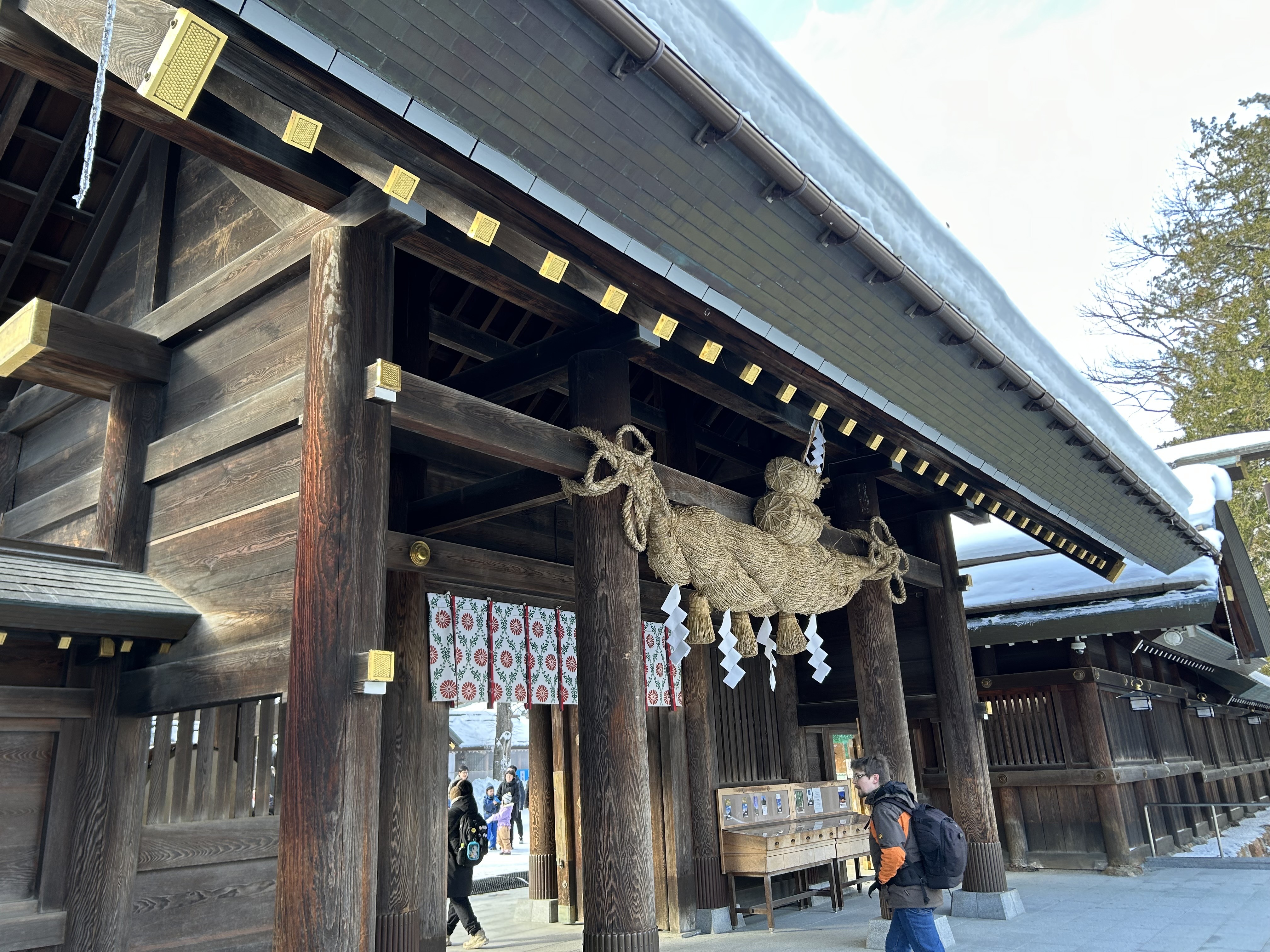
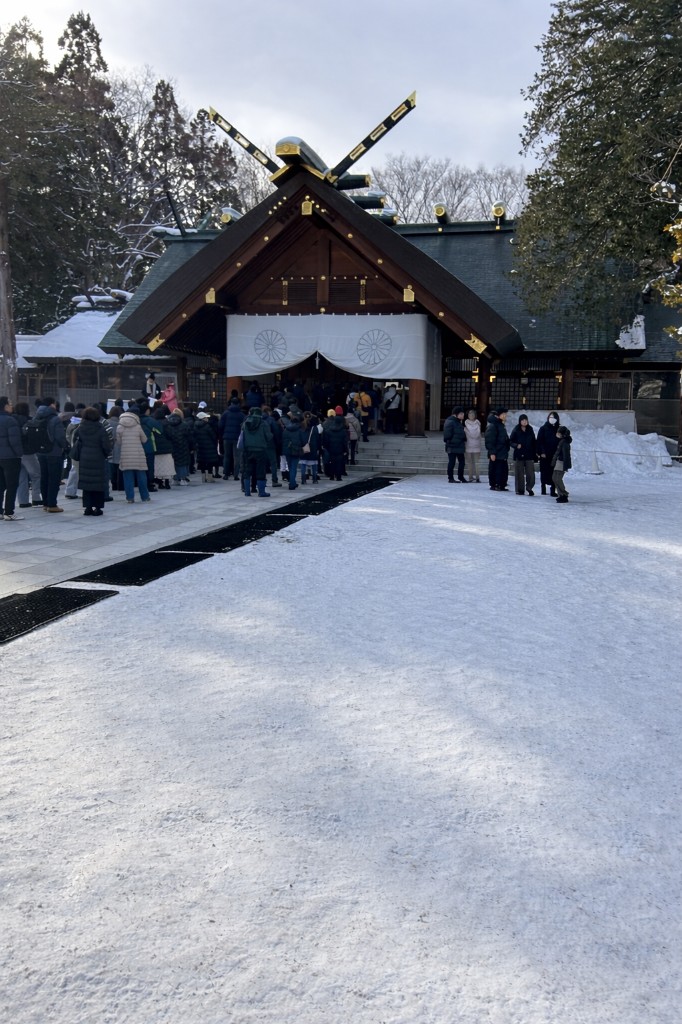
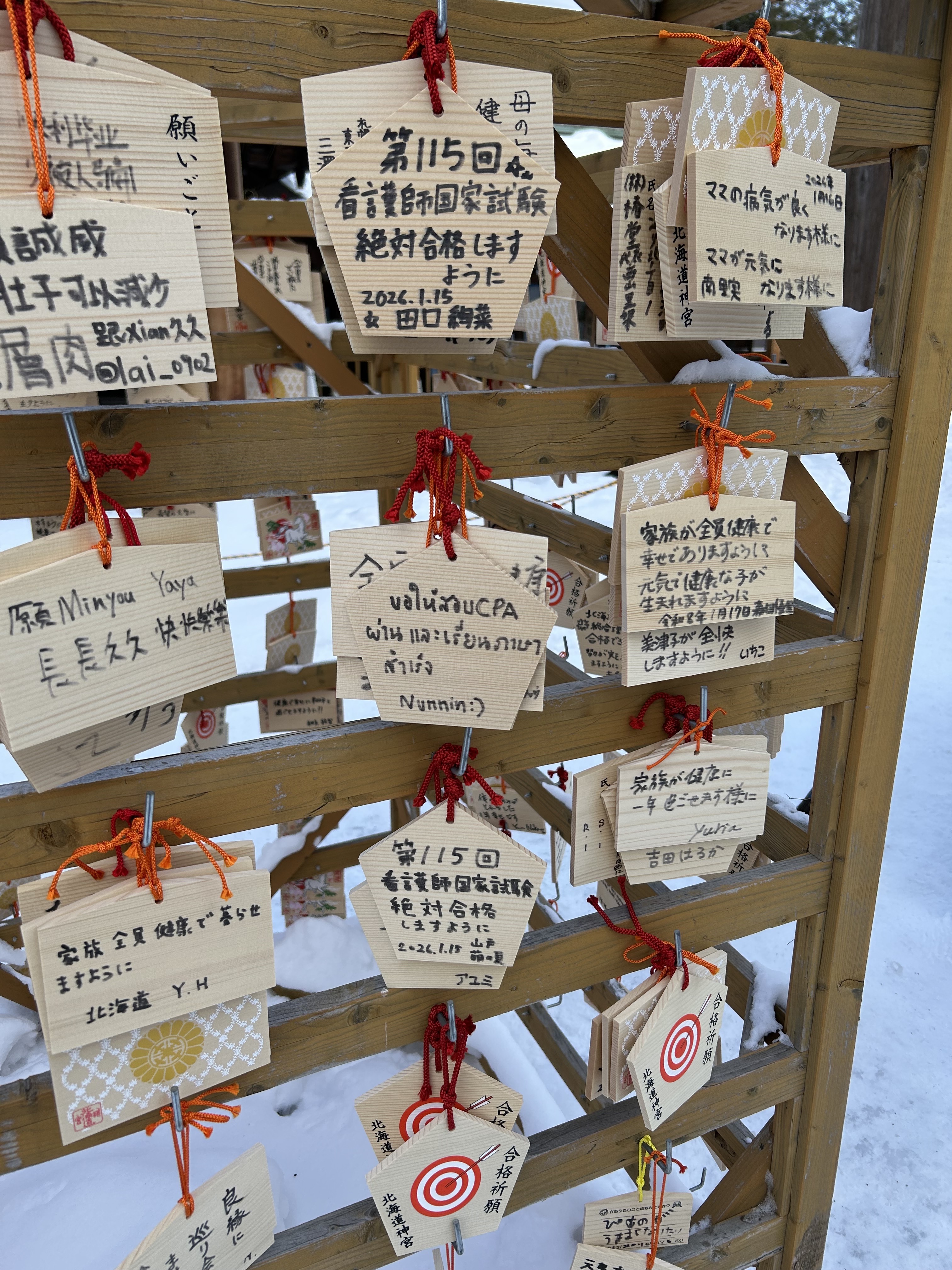
Hokkaido Jinja, in the Maruyama woods, blends snow-covered halls and shimenawa with cold-climate Hokkaido and Japanese shrine culture. In hatsumōde season you get approach-path atmosphere, ema, and year-opening customs.
Etiquette and “wa” (harmony)
Look up shrine manners beforehand (two bows, two claps, one bow; avoid the center of the path; queue quietly). When crowded, don’t break the “wa” (circle) of people around you—caring for human wa (togetherness) supports wa (harmony). Visitors from other cultures: stay quiet, follow the line, and respect no-photo zones.
Hatsumōde: avoiding the very first days of the year often helps
Hatsumōde is culturally rich, but Jan 1–3 often means heavy crowds and cold. If you want the mood with less waiting, a few days after the peak is usually more comfortable (adjust to your health and schedule).
🌸 Spring–autumn: zoo and nature
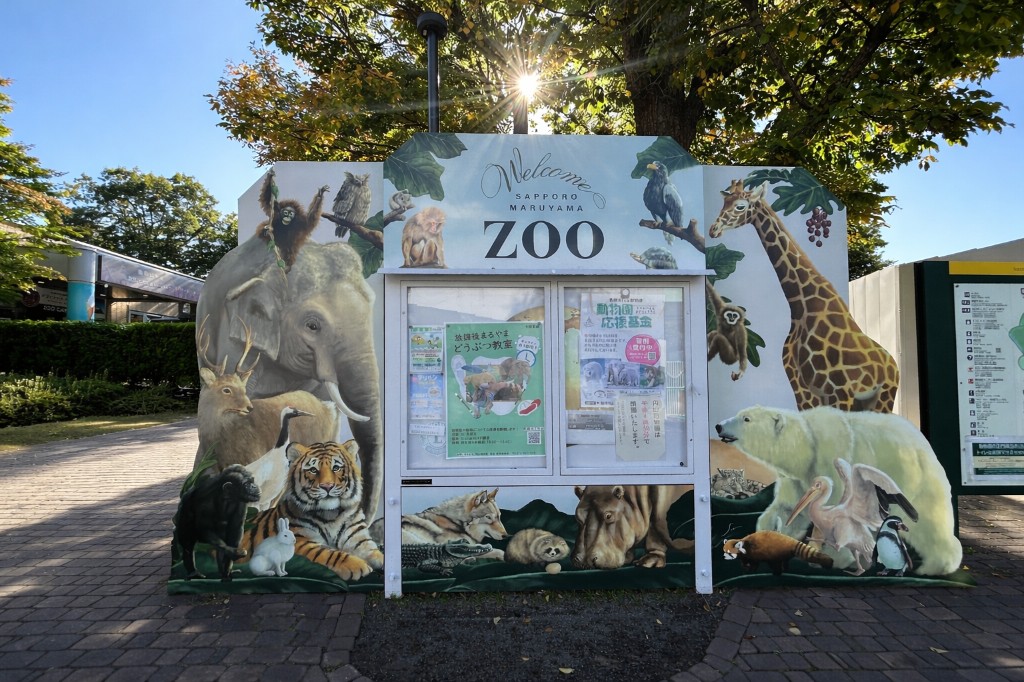
Sapporo Maruyama Zoo has elephants, tigers, and cold-climate species such as snow leopards, wolves, and polar bears—a walk that fits Hokkaido’s image. Spring through autumn, fresh green or autumn leaves set off the outdoor exhibits, and milder weather makes it easier to tour both indoor and outdoor areas. Penguin pools and other waterside exhibits are crowd favorites for families and photos (exhibits and operations change by season—check official info).
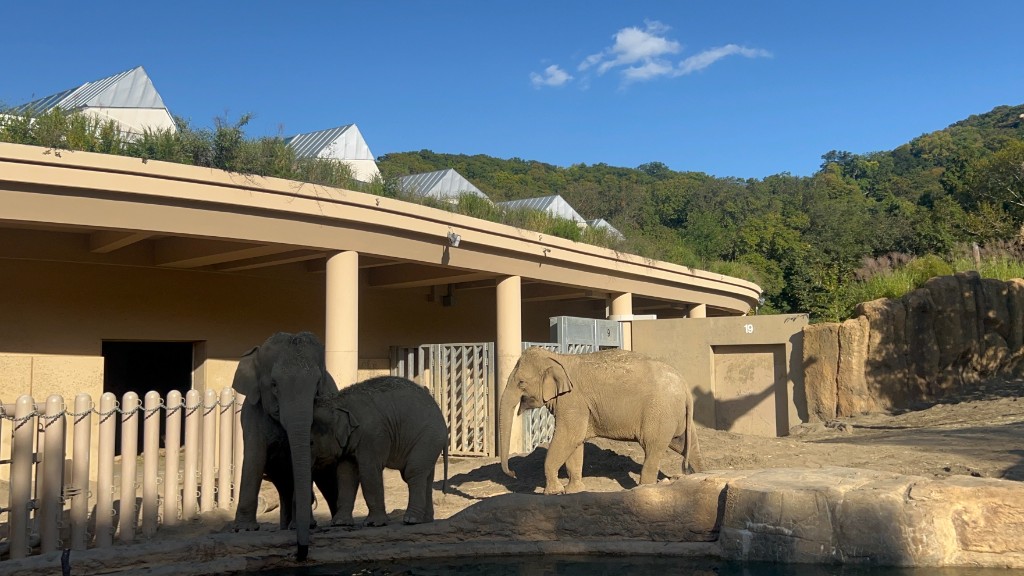
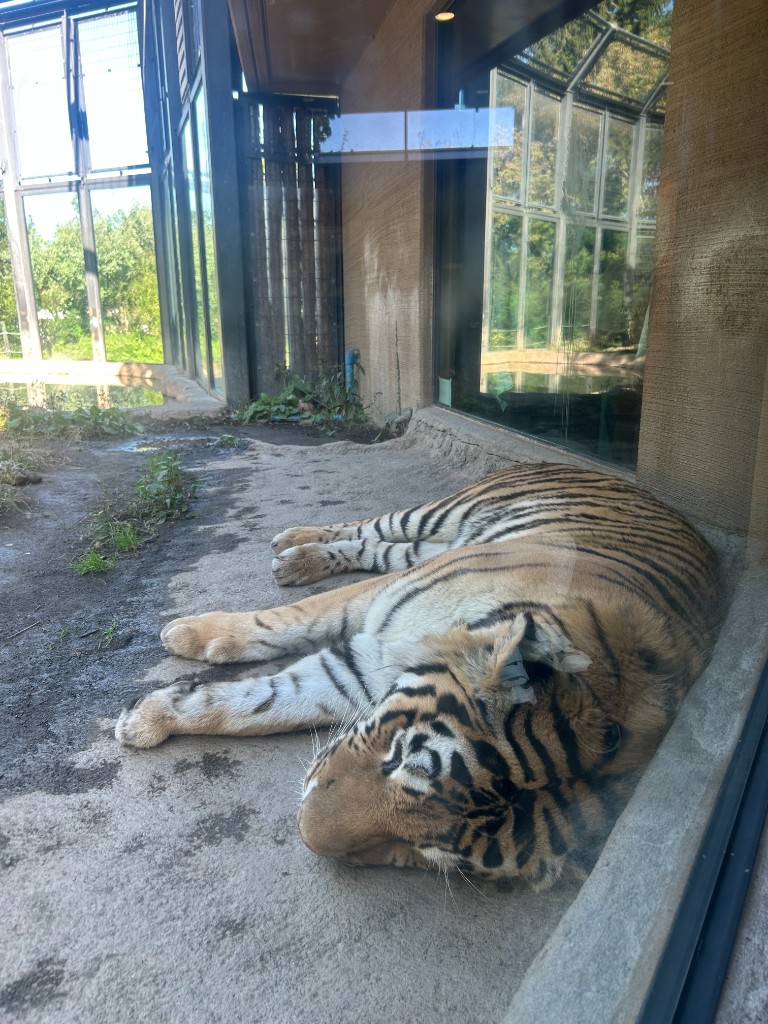
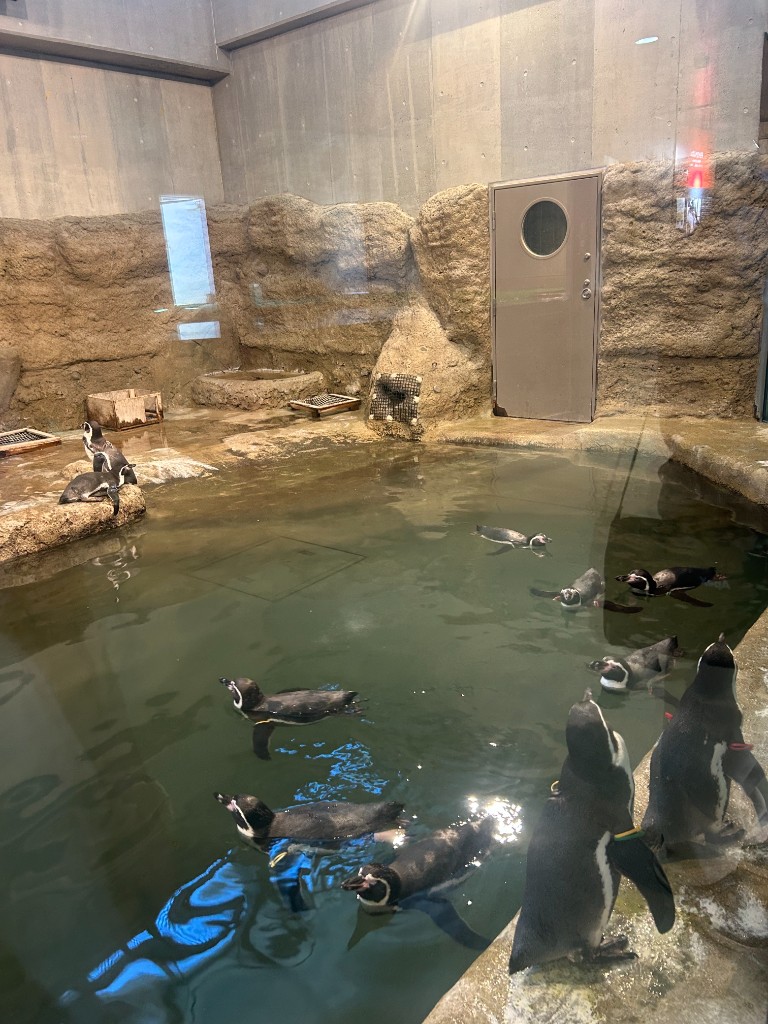
Forest paths in the park offer birdsong and dappled light (by season)—good for a reset. Zoo plus shrine, or shrine only: half-day plans are easy to build here.
💡 Practical notes
- Dress: winter needs warm layers (especially hatsumōde and early morning). Comfortable shoes if walking to the zoo.
- Crowds: zoo on weekends/holidays; shrine at New Year
- Updates: confirm hours, closures, and construction on official city, shrine, and zoo sites
📝 Summary
- Maruyama is enjoyable year-round (seasons change the vibe)
- ~10 min station to park; zoo often 10+ min more—watch walking time
- Budget: zoo + omikuji can stay under ¥1,500 (confirm official prices)
- Winter: hatsumōde, shrine culture, snow; spring–autumn: zoo (cold-climate animals, penguins) and nature
- Learn shrine etiquette; keep harmony (wa) without disturbing others’ space
- For hatsumōde, slightly after the New Year rush is often nicer
Planning note as of March 2026. Hours, fees, and construction may change—check official sources before you go.